
Short Answer
A conventional lathe machine for workshop turning is a manually operated machine tool used for turning shafts, discs, sleeves, threads, and other rotational metal parts. Unlike a CNC lathe, the operator controls spindle speed, feed, cutting depth, and tool movement directly through mechanical controls and handwheels. This makes a conventional lathe particularly practical for repair work, prototype parts, maintenance jobs, tool rooms, and small-batch production, where frequent programming may not be necessary. A typical workshop lathe can perform external and internal turning, facing, boring, drilling, grooving, taper turning, and thread cutting. When selecting one, buyers should focus on workpiece diameter, length, spindle bore, spindle speed, chuck type, and the support required for long or heavy parts.
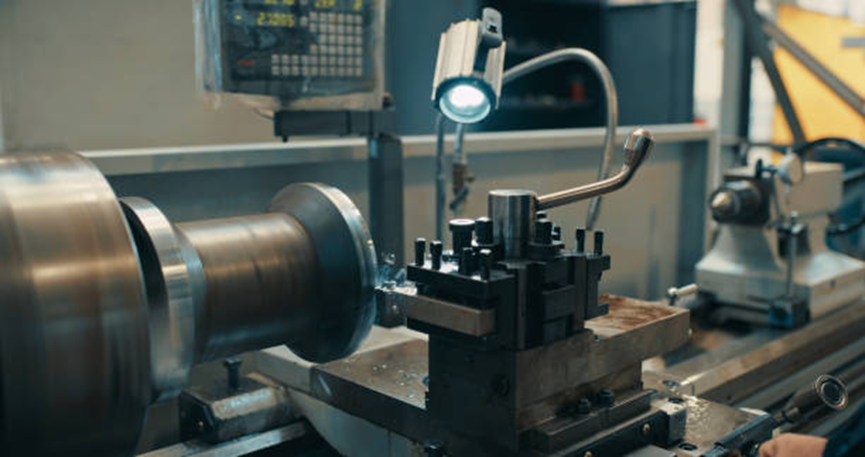
Why Use a Conventional Lathe in a Workshop?
CNC machines are ideal for repetitive production, but many workshops handle jobs that change every day.
One workpiece may require a damaged shaft to be repaired, while the next may be a flange, sleeve, roller, or custom replacement part. For these jobs, a conventional lathe provides direct control and allows the operator to quickly adjust the machining process.

Typical workshop applications include:
What Operations Can It Perform?
A conventional lathe can complete most basic turning operations using standard tooling.
Operation | Typical Workshop Job |
External turning | Shafts and rollers |
Facing | Flanges and pipe ends |
Boring | Sleeves and internal holes |
Drilling | Center and axial holes |
Grooving | Retaining-ring or relief grooves |
Threading | Internal and external threads |
Taper turning | Shafts and mating surfaces |
This versatility makes one machine suitable for many different repair and manufacturing tasks.
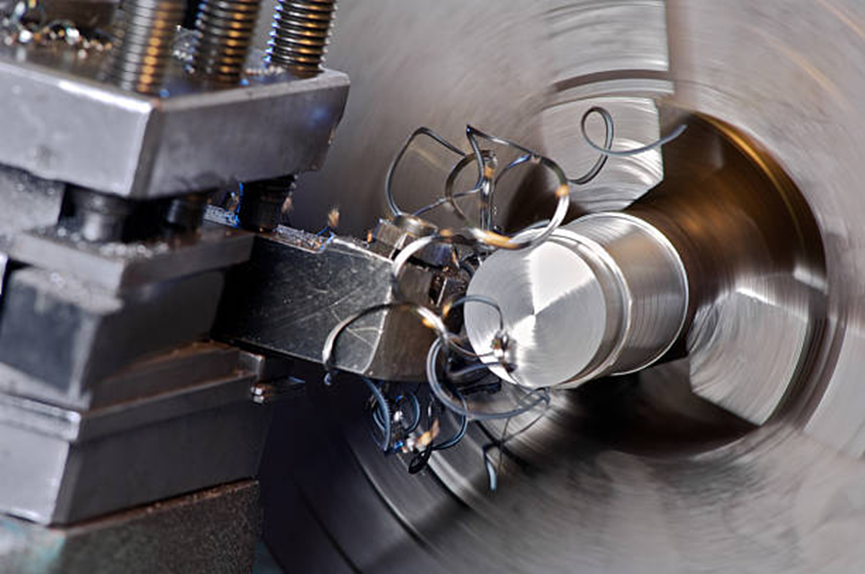
Key Parameters for Workshop Selection
Instead of simply choosing the largest machine available, buyers should match the lathe to their typical workpieces.
1. Swing Over Bed
Swing over bed determines the maximum workpiece diameter that can rotate above the bed. A larger swing is required for large discs, flanges, and rollers.
2. Maximum Workpiece Length
For shaft machining, check whether the machine can accommodate the total workpiece length between the headstock and tailstock.
Remember that maximum workpiece length and actual turning length are not always the same.
3. Spindle Bore
A larger spindle bore is useful when long bars or pipes need to pass through the headstock.
4. Spindle Speed Range
Small-diameter parts generally require higher rotational speeds, while large-diameter workpieces usually require lower speeds. A suitable speed range gives the workshop greater flexibility.
Workpiece Support Matters
Long shafts can bend or vibrate if they are not properly supported.
A tailstock supports the end of a shaft, while a steady rest provides additional support along a long workpiece. A follow rest can also be useful when machining slender shafts.
For workshops handling different workpiece sizes, these accessories significantly expand the practical machining range of the lathe.
What Configuration Should Buyers Check?
Before ordering a conventional lathe, confirm:
At Anyang Xinheng Machine Tool, conventional lathes are available for different workshop requirements, from general shaft and flange turning to large and heavy workpiece machining.
Send us your workpiece drawing, diameter, length, material, and machining requirements, and we can recommend a suitable conventional lathe configuration.
Message
If you have any suggestions or question for us.Please contact us.


